Florist guide for Gillespie Park weddings and events
Posted on 07/06/2026
Planning flowers for a Gillespie Park wedding or private event sounds simple at first, until you start balancing venue style, seasonality, timings, delivery logistics, and the tiny details that make a room feel finished. That is exactly why a Florist guide for Gillespie Park weddings and events is so useful: it helps you make calm, confident choices instead of guessing your way through centrepieces, bouquets, buttonholes, and ceremony flowers at the last minute.
Whether you are organising an intimate gathering, a larger reception, or a corporate-style event with a polished floral finish, the right flower plan should support the occasion rather than overpower it. In Gillespie Park, where many celebrations feel personal and design-led, flowers often need to work hard: looking beautiful in photos, fitting the layout, holding up through the day, and arriving exactly when they should. That is a lot for stems and ribbons, to be fair. The good news is that with a thoughtful approach, it becomes much easier.
This guide walks you through the decisions that matter most, from choosing a floral style and setting a sensible budget to planning delivery, checking practical risks, and selecting arrangements that suit the atmosphere you want. You will also find a clear checklist, comparison table, and FAQs so you can move from ideas to action without getting buried in the detail.
Table of Contents
- Why Florist guide for Gillespie Park weddings and events matters
- How Florist guide for Gillespie Park weddings and events works
- Key benefits and practical advantages
- Who this is for and when it makes sense
- Step-by-step guidance
- Expert tips for better results
- Common mistakes to avoid
- Tools, resources and recommendations
- Law, compliance, standards, and best practice
- Options, methods, and comparison table
- Case study or real-world example
- Practical checklist
- Conclusion
- Frequently asked questions
Why Florist guide for Gillespie Park weddings and events matters
Flowers do far more than decorate a venue. They shape the mood, help define the style, and give guests an immediate sense of what kind of celebration they have stepped into. For Gillespie Park weddings and events, that can mean the difference between something that feels nicely arranged and something that feels genuinely memorable.
Gillespie Park celebrations often sit in that sweet spot between relaxed and refined. That means flowers should usually feel intentional, but not fussy. A well-planned floral scheme can soften a room, guide the eye toward the ceremony point, and make smaller details feel considered. Even one or two strong floral elements can change the whole atmosphere. You notice it straight away when you walk in. The room feels ready.
The other reason this matters is practical. A florist is not just making pretty things; they are also solving a logistics problem. How will the flowers travel? Will they be installed quickly? Can they survive a warm room, a delayed schedule, or a long reception? Those are the unglamorous questions that separate a nice idea from a smooth event. And let's face it, nobody wants to be arranging buttonholes while the guests are already arriving.
Good flower planning also protects your budget. Without a plan, it is easy to spend too much on the wrong things. You might over-order statement pieces and under-order the smaller items that complete the look, or vice versa. A structured florist guide gives you a sensible way to prioritise the most visible areas first.
How Florist guide for Gillespie Park weddings and events works
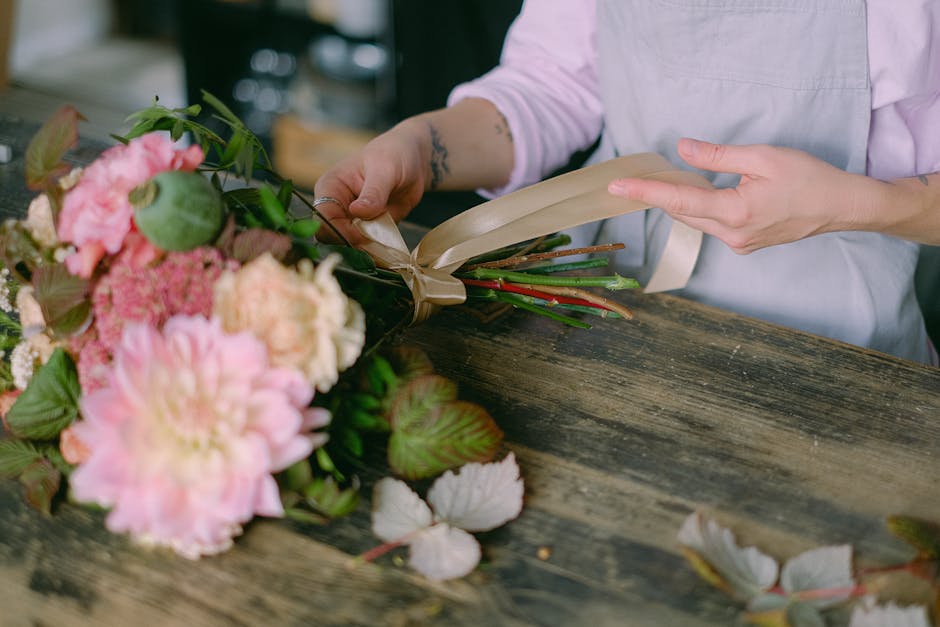
At its simplest, the process begins with the event itself. You look at the type of occasion, the number of guests, the space you are working with, and the atmosphere you want to create. Then you match the floral design to those needs. A wedding usually needs a mix of personal flowers, ceremony flowers, and reception flowers. A corporate or private event may need table arrangements, welcome displays, or a few carefully placed feature pieces.
The florist's role is to turn your ideas into something that works in the real world. That often means helping you choose between fresh, seasonal blooms and more structured arrangements; deciding how much colour to use; and working out where the flowers will have the biggest visual impact. It can sound a bit technical, but in practice it is mostly about asking the right questions early.
For example, if the venue has lots of natural greenery, you may not need heavy floral density. If the room is visually plain, you may want larger arrangements or stronger colour contrast. If the event is outdoors, you need flowers and containers that cope better with light, wind, and temperature shifts. All of these choices influence what should be ordered, how it should be styled, and when it should arrive.
For readers who want to browse wedding-specific inspiration, it is worth looking at the wedding flowers in Highbury N5 collection alongside the broader wedding range. That gives a helpful starting point before you narrow things down.
Key benefits and practical advantages
The strongest benefit of careful flower planning is consistency. Everything feels like it belongs together. The bouquet, the tables, the ceremony area, and the smaller finishing touches all speak the same visual language. That consistency matters more than people think, especially in photography. A slightly mismatched floral scheme can look fine in person but feel patchy on camera.
Another benefit is confidence. When the flowers are planned properly, you are not crossing your fingers on the day. You know what is arriving, where it goes, and who is handling it. That reduces stress for couples, event organisers, and family members who are already juggling a hundred small tasks.
There is also a value-for-money angle. A well-designed scheme often uses a few strategic focal points rather than lots of random arrangements. For instance, a strong bridal bouquet, a couple of ceremony features, and well-chosen table arrangements can look richer than a scattered set of florals with no clear structure. In other words, smart planning beats excess.
For celebrations that need fast turnaround or flexible delivery, local ordering can be a real advantage. If you need a bouquet for the following day, you can look at next-day flower delivery in Highbury N5 or the wider flower delivery service. It is handy when plans move around, which, in event planning, they often do.
Who this is for and when it makes sense
This guide is for couples planning a Gillespie Park wedding, certainly, but it is just as relevant for anyone arranging a celebration in or around the area. That includes engagement parties, anniversaries, milestone birthdays, corporate receptions, memorial services, and community gatherings. Flowers show up everywhere. They are versatile like that.
If you are a bride or groom, you may need a full wedding floral plan: bridal bouquet, bridesmaid bouquets, buttonholes, table arrangements, and perhaps a feature installation. If you are a planner, your focus may be broader: building one floral style that works across multiple tables, entry points, and photo moments. And if you are a family member helping with an event, the goal may be simpler: get something beautiful, reliable, and appropriate without overcomplicating things.
This also makes sense when you want the occasion to feel more personalised. A few thoughtful flowers can make a venue feel less generic and more like it was designed for the people in the room. That is true whether you are planning a small dinner or a bigger celebration. Sometimes a single vase arrangement in the right colour palette can do more than a long list of decor items.
It is also useful when time is short. If you are arranging something quickly, a florist with a clear wedding and events offer can help you avoid the panic-buying stage. Nobody needs that stage.
Step-by-step guidance
If you want a practical way to approach Gillespie Park flowers, use this sequence. It keeps the process tidy and reduces the chance of forgetting something obvious.
- Define the occasion. Start with the event type, guest count, time of day, and overall feeling you want. Romantic, modern, classic, relaxed, seasonal - each one leads to a different floral direction.
- Decide the priority areas. Usually these are the bouquet, ceremony focal point, reception tables, and any visible entrance or welcome zone. If budget is tighter, focus there first.
- Choose your palette. Limit yourself to a colour story that makes sense in the space. White and green feels calm and timeless; mixed colours can feel lively; roses and soft pinks feel more romantic; deeper tones can feel dramatic and elegant.
- Match flowers to season and setting. Seasonal flowers often feel fresher and are easier to source in a stable condition. Some flowers also behave better in warm rooms or longer events.
- Plan the delivery and setup window. Think about venue access, load-in times, and when the flowers should be at their best. This is one of those boring things that saves the day later.
- Confirm the smaller pieces. Buttonholes, corsages, flower girl touches, vase arrangements, and guest thank-you flowers can be forgotten until the last minute. They should not be.
- Check care and handling. A florist should tell you how to store the flowers if they arrive early, how to keep them cool, and which arrangements are best placed out of direct sunlight.
A useful shortcut: if you are unsure about style, start from a wedding collection or a florist's best sellers and refine from there. You can browse best-selling arrangements and the florist choice range to see what tends to work well in real situations.
Expert tips for better results
1. Design for the room, not just the bouquet. A beautiful bouquet is only one part of the story. If the venue needs help, put more energy into entry displays or tables. If the room already has character, keep the florals cleaner and lighter.
2. Use repetition intelligently. Repeating one or two flowers across the bouquet, centrepieces, and buttonholes creates visual unity. That is usually more elegant than using many different flowers just because they are available.
3. Think about height. Low arrangements encourage conversation at tables. Taller pieces can add drama, but they must not block sightlines. That sounds obvious, yet it is one of the most common problems.
4. Keep one backup plan. Weather, traffic, venue access, and last-minute schedule shifts can all affect flowers. A florist should know how to adapt. Even a simple contingency on delivery timing is reassuring.
5. Choose stems that suit the event length. For longer receptions, sturdier flowers can be a safer choice. Roses, carnations, alstroemeria, chrysanthemums, lilies, and germini all have their place depending on the design and conditions. You do not need everything to be rare or extravagant.
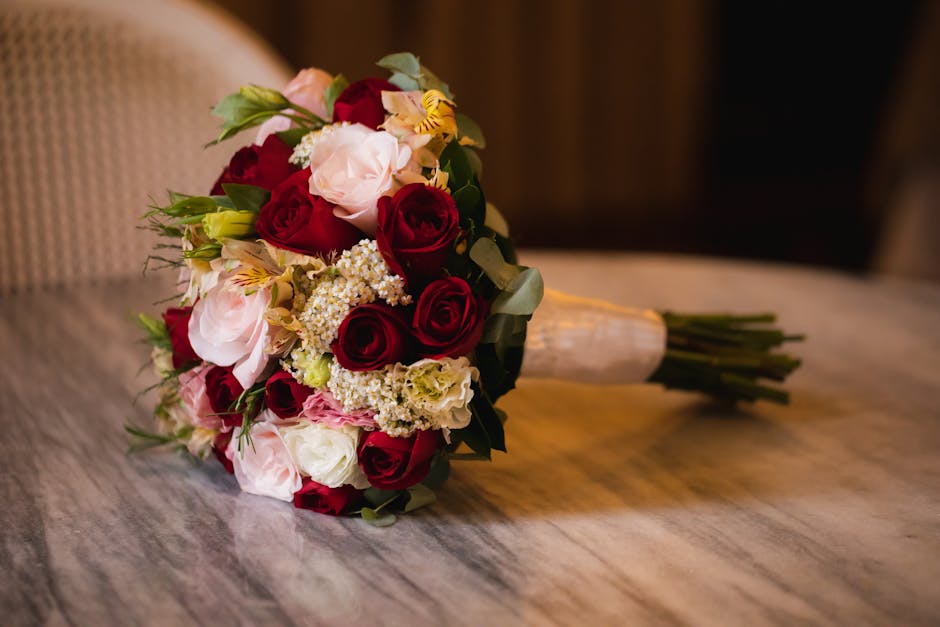
For a polished wedding look, many clients like to compare the bridal bouquet collection, bridesmaid bouquets, and buttonholes so the whole party feels visually connected.
And a very human tip: if you are torn between two styles, step back and ask which one will still look right after the champagne, speeches, and a few blurry dance-floor photos. That usually clears things up.
Common mistakes to avoid
One of the biggest mistakes is ordering flowers before you understand the venue. The same arrangement can look perfect in one room and completely swallowed by another. Ceiling height, table size, wall colour, and natural light all matter. Quite a lot, actually.
Another common issue is overfitting the design to one inspiration image. Pinterest is useful, but it can also be a bit unfair. A bouquet designed for a bright summer garden wedding may not translate to an indoor evening event with limited light. Adapt the idea rather than copying it blindly.
People also underestimate delivery timing. Flowers need a proper window. If your order arrives too early, storage becomes a concern. If it arrives too late, stress goes through the roof. A clear schedule solves more problems than a bigger bouquet ever will.
Budget mistakes happen too. Couples often spend on the most visible item and then realise they still need buttonholes, table pieces, or a thank-you arrangement. A better approach is to divide the budget by function: personal flowers, ceremony flowers, reception flowers, and contingency.
Finally, do not ignore care instructions. Even excellent flowers can deteriorate quickly if they are left in a hot car or placed near radiators. Simple, boring care is what keeps them looking generous and fresh.
Tools, resources and recommendations
You do not need a huge toolkit, but you do need a few practical resources. Start with your venue dimensions, guest count, and a simple mood board or colour reference. Even a phone folder of screenshots can help a florist understand what you are aiming for.
It also helps to build a short list of floral categories before you speak to anyone. For weddings, that often means bridal bouquet, bridesmaid bouquet, buttonholes, corsages, table arrangements, and perhaps a larger ceremony piece. For events, it may be centrepieces, pedestal flowers, welcome flowers, or statement vases.
When browsing products, you can often narrow choices by occasion or flower type. For example, roses, lilies, alstroemeria, carnations, and mixed colours each create a different mood. A florist can then help you filter those into a coherent scheme.
If the event is more formal or more generous in scale, you might also explore luxury flowers for a stronger statement. If the plan is relaxed and budget-conscious, the cheap flowers range can still be practical when used thoughtfully. The key is not the price tag alone; it is how well the flowers fit the space.
For delivery planning and order confidence, the florist's guarantees, delivery information, and flower care guidance are useful support pages to review before you finalise anything.
Law, compliance, standards, and best practice
Floristry for weddings and events is not usually a heavily regulated topic in the way some industries are, but there are still practical standards worth respecting. In the UK, event organisers and suppliers are expected to work sensibly around venue access, health and safety, transport, and consumer rights. The exact requirements depend on the venue and the service agreement, so it is best to confirm details early rather than assume.
At the very least, you want clear communication on what is being supplied, when it will arrive, who will place it, and what happens if conditions change. That clarity protects both sides. If you are using a florist for a larger event, written confirmation of colour palette, quantities, timings, and substitutions is best practice. It keeps everyone honest and, frankly, calmer.
Environmental responsibility is also becoming a stronger expectation. Choosing seasonal blooms where possible, being mindful of waste, and checking how packaging is handled are all sensible decisions. If sustainability matters to you, ask how flowers are sourced and what can be reused or recycled after the event. The answer does not need to be perfect; it just needs to be thoughtful.
Accessibility matters too. Not every guest experiences a space in the same way. Very tall arrangements, strong scents, or cluttered walkways can create avoidable issues. A careful floral plan keeps routes clear and the display enjoyable for more people.
If you are handling payments or reviewing terms, always check the florist's own terms and conditions, privacy policy, returns and refund policy, and payment information. That is just good housekeeping, really.
Options, methods, or comparison table
Choosing the right floral method depends on the size of the event, the look you want, and how much hands-on support you need. Here is a simple comparison that may help.
| Option | Best for | Strengths | Things to watch |
|---|---|---|---|
| Ready-made wedding collections | Couples wanting a coordinated look fast | Simple to choose, cohesive styling, less decision fatigue | May need lighter customisation for unusual venues |
| Custom floral planning | Events with a clear theme or larger guest count | Highly tailored, venue-aware, flexible with colour and scale | Needs more lead time and clearer brief |
| Focus-on-the-essentials approach | Smaller weddings or tighter budgets | Better value, fewer moving parts, less stress | Requires disciplined prioritisation |
| Statement-piece approach | Photo-led events and impact-focused styling | Strong visual moment, memorable guest experience | May leave other parts of the space looking sparse if not balanced |
For many Gillespie Park weddings, a hybrid approach works best: one or two statement pieces, a consistent bouquet story, and a handful of supporting arrangements. That tends to feel elegant without becoming overworked.
Case study or real-world example
Imagine a late-spring wedding with a small guest list, held in a bright, understated venue near Gillespie Park. The couple want the day to feel soft, relaxed, and modern, but not too minimal. They love white flowers, but they also want a little warmth so the room does not feel cold in photographs.
Instead of spreading the budget thinly across lots of small arrangements, the florist recommends a clean combination: a structured bridal bouquet, matching bridesmaid bouquets, simple buttonholes, and two table arrangements that carry the colour story through the reception. The bouquet leans into white and pale blush tones, with greenery to give shape and movement. The tables use lower arrangements so guests can talk easily without peering around the flowers.
On the day, the flowers arrive within a narrow setup window, which keeps them looking fresh. The room feels calm almost immediately. Guests comment on how coherent everything looks, even though the design itself is not complicated. That is the trick, honestly. Not more flowers, just better decisions.
Now compare that with a corporate event or anniversary dinner in the same area. In that case, the brief might shift toward stronger table arrangements, a welcoming entrance feature, and perhaps a more colour-rich design that feels festive but still polished. The principle is the same: match the flowers to the purpose, not to a generic trend.
Practical checklist
Use this checklist before you confirm any Gillespie Park wedding or event flowers.
- Confirmed event date, time, and venue access window
- Known guest count and table layout
- Clear flower style: romantic, classic, modern, seasonal, or bold
- Colour palette agreed with the venue and outfits
- List of must-have items: bridal bouquet, bridesmaid bouquets, buttonholes, centrepieces, and extras
- Budget split between priority items and nice-to-have items
- Delivery time confirmed in writing
- Care and storage plan for flowers delivered early
- Any scent, allergy, or accessibility considerations noted
- Backup contact details for the day
- Terms, payment, and substitution policy checked
- Final review of the florist's about us and service information so you know who you are dealing with
If you want a quick post-planning takeaway: choose fewer things, but choose them well. That is almost always the smarter path.
Conclusion
A well-planned floral scheme can quietly hold a wedding or event together. It frames the space, supports the mood, and gives the whole occasion a sense of intention. For Gillespie Park weddings and events, that usually means striking the right balance between elegance and practicality. Not overdone, not undercooked. Just right.
The best results come from starting with the venue, the people, and the purpose of the day. From there, everything else becomes easier: the flowers, the palette, the sizes, the delivery timing, even the budget. If you keep the plan simple and specific, you are far more likely to end up with flowers that feel effortless on the day - which is the dream, really.
As you move from ideas to booking, remember that confidence is part of the value. A florist who understands weddings and events should help you feel clearer, not more confused. And if a choice still feels uncertain, step back and ask: will this still look lovely when the room is full, the lights are warm, and everyone is actually there? That answer tends to tell you everything.
Get a free quote today and see how much you can save.
Frequently Asked Questions
What does a florist guide for Gillespie Park weddings and events actually cover?
It covers how to choose, plan, order, deliver, and style flowers for weddings and events in a way that suits the venue, the budget, and the overall feel of the day. It is basically the bridge between nice ideas and flowers that work in real life.
How far in advance should I book wedding flowers for Gillespie Park?
Earlier is usually better, especially for weddings. For popular dates, booking well in advance gives you more choice on style, colours, and delivery timing. If your date is close, a florist may still be able to help, but the options can be narrower.
Can I order a smaller floral package for an intimate event?
Yes. A good florist can scale the design down to suit a small gathering, a private dinner, or a low-key celebration. In many cases, a few well-placed arrangements do more than a full room of flowers.
Which flowers are best for wedding and event arrangements?
It depends on the season, the setting, and the style you want. Roses, lilies, carnations, alstroemeria, chrysanthemums, and germini are all common choices because they can suit different looks and practical needs.
What if I need flowers delivered quickly?
If your timing is tight, look for options such as same-day flower delivery or next-day delivery, depending on availability. That can be very helpful when plans change, which they sometimes do at the last minute.
How do I choose between a bespoke design and a wedding collection?
Choose bespoke if you want a highly tailored look or if the venue has unusual requirements. Choose a wedding collection if you want a coordinated, easier-to-manage option that still looks polished. Both can work well.
Are seasonal flowers worth choosing?
Usually, yes. Seasonal flowers often fit the time of year more naturally and may be easier to source in good condition. They can also make the design feel less forced. You do not need to obsess over it, though.
How can I keep flowers fresh during a long event?
Ask your florist about care instructions, storage, and placement. Keep arrangements away from heat where possible, avoid direct sun for delicate flowers, and leave installation as close to the event start time as you can.
Do I need different flowers for ceremony, tables, and bouquets?
Not necessarily different flowers, but they should usually feel connected. Repeating a few core stems across the whole event helps the design feel joined up. That said, the scale and shape of each arrangement should suit its purpose.
What should I ask a florist before confirming my order?
Ask about delivery timing, setup support, substitution policy, flower care, venue access, and what happens if the event schedule changes. It is also sensible to review the florist's guarantees and returns and refund policy.
Is there a budget-friendly way to make event flowers look more expensive?
Yes. Use a consistent colour palette, repeat the same stems, focus on high-impact areas, and avoid spreading the budget too thinly. A smaller number of strong arrangements often looks far more refined than lots of scattered pieces.
Can flowers be used for non-wedding events around Gillespie Park too?
Absolutely. The same planning logic works for engagements, anniversaries, corporate events, birthdays, and memorial gatherings. You just change the styling to match the occasion. For example, you might browse anniversary flowers, congratulations flowers, or tributes depending on the event.
How do I know if my florist is a good fit?
Look for clear communication, sensible advice, and an understanding of practical event timing. A good florist should help you simplify decisions, not add pressure. If they also explain delivery, care, and substitution details clearly, that is usually a strong sign.